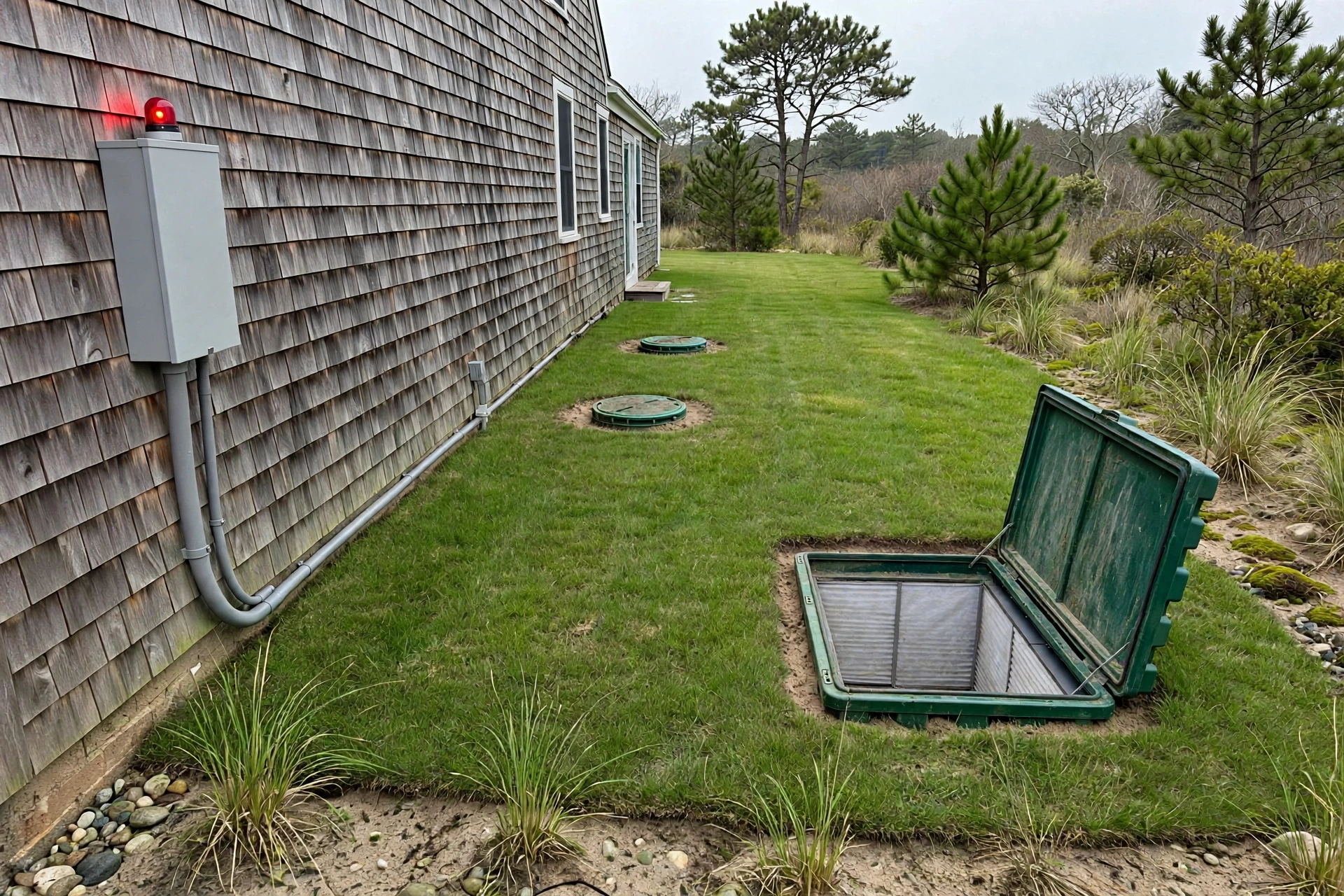
Barnstable Septic installs and services nitrogen-reducing I/A systems for homeowners in the Town of Barnstable, Yarmouth and Dennis, working out of Hyannis. An I/A system is a septic system with added treatment that removes a large part of the nitrogen from household wastewater before it returns to the ground. On Cape Cod it has moved from a specialty product to the system many properties are heading toward.
Most people reach this page by one of three roads. One of our Title 5 inspections has failed the old system, and the upgrade clock is running. A cesspool replacement is unavoidable because the pit cannot be kept. Or the property sits in a watershed where the nitrogen rules are closing in. In all three a septic system replacement is coming. Whether the new system must be nitrogen-reducing depends on the lot, the watershed and what your Board of Health requires.
We handle I/A system installation from the soil work to start-up, and then the I/A system service and septic maintenance that keep the system working. A system like this is a machine, and it needs the same steady attention.
If you have a report, a letter from the town, or a closing date and want to know where you stand, call (774) 619-8331, Monday to Friday, 9:00 AM to 5:30 PM. You can also send the form on this page. It asks only for your name and a phone number. Everything else is optional, and the optional fields carry this line: "The more details you give, the better we are able to help you."
Why the Cape's water is the reason for all of this
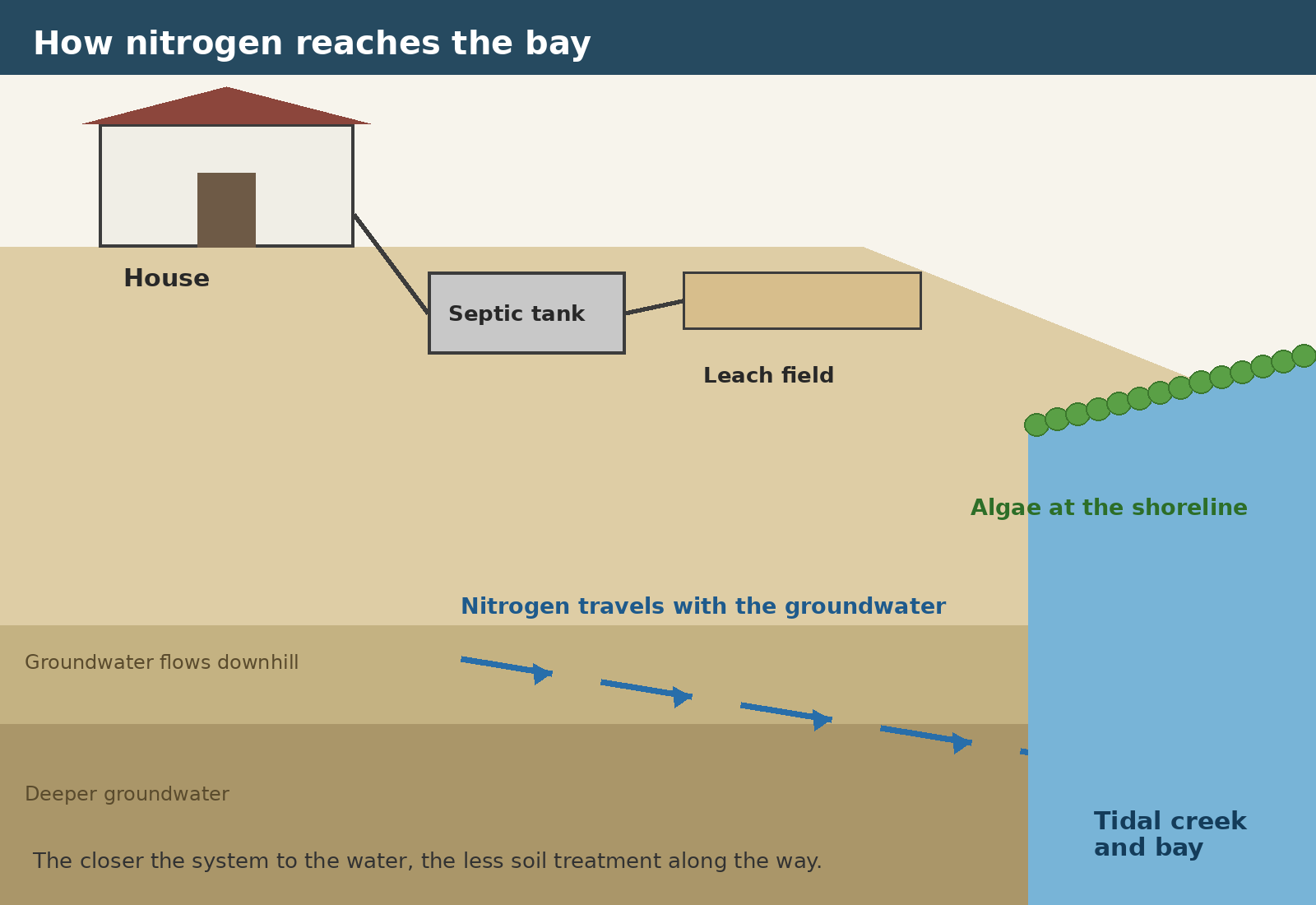
The Cape sits on a sole-source aquifer. The water you drink, the ponds and the bays all come from the same ground that your leach field drains into. The Cape Cod Commission counts 996 ponds and 53 embayment watersheds, and in many of those embayments the limiting problem is nitrogen. It feeds algae, clouds the water and starves the eelgrass and shellfish beds that make the Cape what it is.
Septic systems are the biggest source of that nitrogen. About 85 percent of Cape Cod properties are on septic, and roughly 90 percent of Barnstable residences. Barnstable County has over 120,000 onsite systems. In Barnstable, septic systems account for about 78 percent of the town's controllable nitrogen load, according to the Town's Department of Public Works, drawing on the Massachusetts Estuaries Project and the 208 Plan. Nitrogen limits, called TMDLs, are in place for Popponesset Bay, Three Bays, the Centerville River system, Halls Creek and Lewis Bay.
A conventional tank and leach field does the job Title 5 asks of it, which is to treat sewage and protect drinking water and public health. It was not built to strip out nitrogen. An I/A system adds that treatment.
Nitrogen Sensitive Areas and what "Best Available" means
Since July 7, 2023, 31 Cape Cod watersheds across 14 towns have been designated Natural Resource Area Nitrogen Sensitive Areas under 310 CMR 15.214 and 15.215. Two rules follow.
For new construction inside one of these areas, the regulation requires Best Available Nitrogen Reducing Technology. In practice that means a nitrogen-reducing I/A system. It is the state's term for treatment that does better on nitrogen than a conventional system.
For existing systems, the regulation's own wording at 15.215(2)(a) runs the upgrade five years from the end of the Notice of Intent and Application Period. That is unless an application has been filed for the area, in which case the watershed permit route governs. Secondary summaries online disagree about the resulting calendar year. We do not state one for any Barnstable property, and you should be wary of anyone who does without looking at your parcel.
Barnstable's permit route and its 30-year sewer plan
The Town of Barnstable chose the permit route, and chose it first. On September 1, 2023 it became the first Cape community to apply for a Watershed Permit. The application covers the whole town, all seven watersheds, and runs on the town's previously approved 30-year Comprehensive Wastewater Management Plan schedule. It passed MassDEP's administrative and technical review and reached Draft Permit. Public comment closed in August 2025. In its December 2025 annual report the town was waiting on MassDEP's next steps, and we do not treat the final permit as settled here.
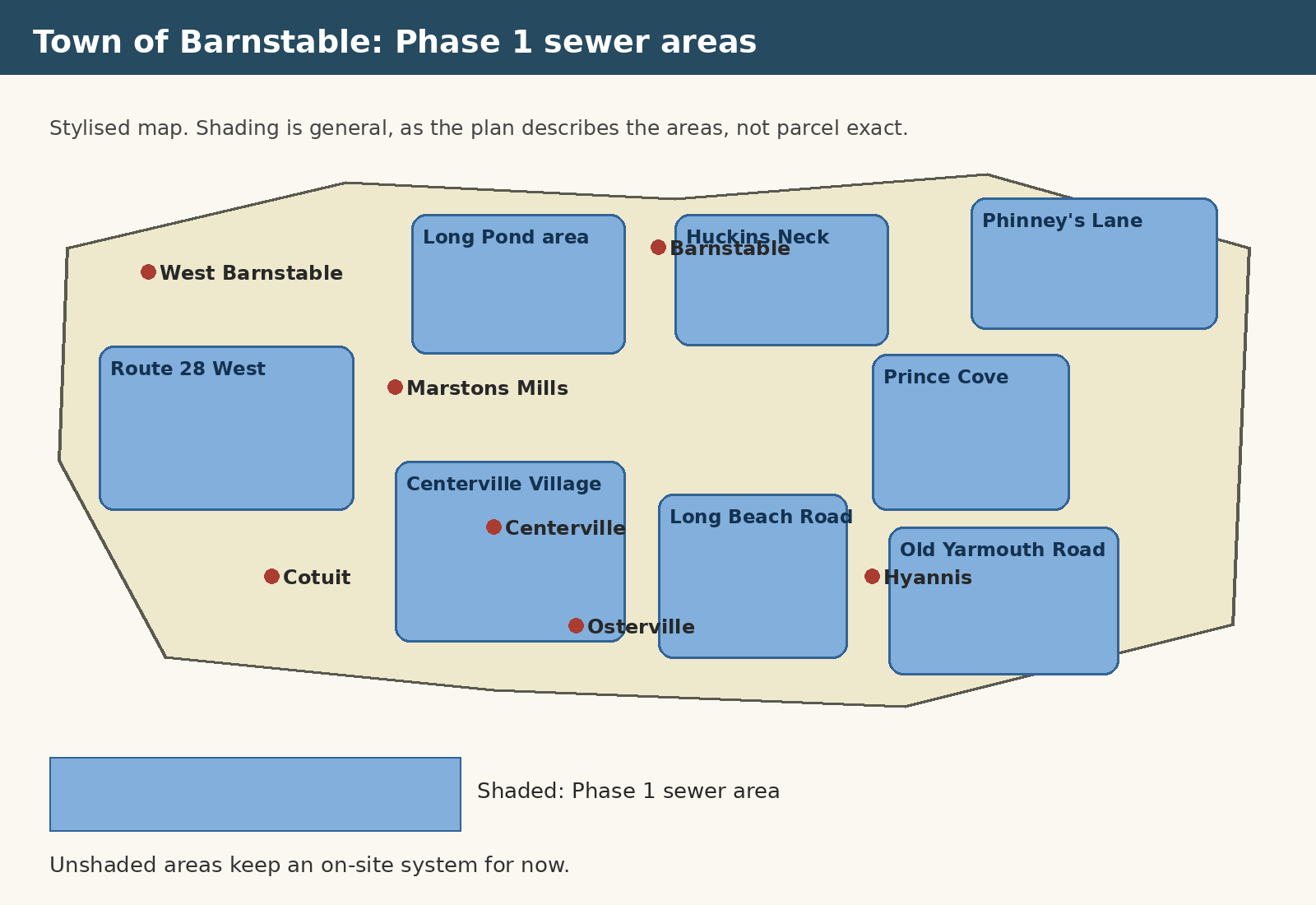
The plan itself, approved by the state in 2021, has three 10-year phases. We are in Phase 1, 2021 to 2030, which covers about 4,700 properties and 90 miles of new sewer. It addresses about 44 percent of the town's nitrogen load. Across the whole plan about 12,000 properties are sewered. Phase 1 areas include Route 28 West, Long Beach Road, Phinney's Lane, Prince Cove, Huckins Neck, the Long Pond area, Old Yarmouth Road and Centerville Village, plus nitrogen upgrades at the Hyannis water pollution control facility.
Roughly 25,000 septic properties in Barnstable, and all of Yarmouth, are not in line for a sewer any time soon. For those owners the realistic question is what replaces the system when it can no longer be kept.
Work out what applies to your parcel
What applies to a given property follows the town's plan and phasing. There is no single deadline across Barnstable. Step through the same four checks the section below sets out in full.
1. Find your parcel on the town's plan
The Town of Barnstable's water resources pages carry the CWMP and a Homeowner's Sewer Connection Guide. Check whether your street sits in a Phase 1 area, a later phase, or neither. The plan runs in three 10-year phases: Phase 1, 2021 to 2030, sewers about 4,700 properties over about 90 miles of new sewer, and about 12,000 properties are sewered across the whole plan.
Over the whole walk sits the nitrogen frame: since July 7, 2023, 31 Cape Cod watersheds across 14 towns are Nitrogen Sensitive Areas. New construction inside one requires Best Available Nitrogen Reducing Technology, in practice an I/A system. For existing systems, Barnstable filed for a town-wide Watershed Permit on September 1, 2023, the first Cape community to apply, and where a watershed permit application covers an area, that route governs.
2. Check the sewer status of your way
If a public sewer runs along the way your building abuts, the Board of Health can require connection. The deadline is 6 months from the Board's letter, or 60 days if your system has hydraulically failed. On connection the old system is removed or filled in. The one-time assessment is capped at $10,000 per sewer unit, and the average residential sewer bill runs about $490 a year.
3. Ask the Board of Health about your lot
Local health articles can bear on it. Article XIII lets the Board require an I/A system for development at 1,650 gallons a day or more. Article XV caps discharge per lot area in nitrogen-limited watersheds. Article VIII governs marginal lots, which need four feet of natural pervious soil above groundwater.
4. Read your most recent Title 5 report
A pass, a conditional pass or a fail changes the timing. A failed system generally means an upgrade within 2 years unless the Board of Health or MassDEP sets another schedule.
Where the findings point
Bring what you find to us. We will tell you whether the right next step for your property is an I/A system, a conventional replacement or a sewer connection.
- A sewer connection, where a public sewer runs along your way and the Board of Health requires connection.
- An I/A system, where the nitrogen rules, the local articles or the lot itself call for nitrogen reduction.
- A conventional replacement, where neither the sewer plan nor the nitrogen rules decide it first.
The step-through states no deadline date for any property: what applies follows the town's plan and its phasing.
Working out what applies to your parcel
What applies to a given property follows the town's plan and phasing. There is no single deadline across Barnstable. Here is how to work it out.
1. Find your parcel on the town's plan. The Town of Barnstable's water resources pages carry the CWMP and a Homeowner's Sewer Connection Guide. Check whether your street sits in a Phase 1 area, a later phase, or neither. 2. Check the sewer status of your way. If a public sewer runs along the way your building abuts, the Board of Health can require connection. The deadline is 6 months from the Board's letter, or 60 days if your system has hydraulically failed. On connection the old system is removed or filled in. The one-time assessment is capped at $10,000 per sewer unit, and the average residential sewer bill runs about $490 a year. 3. Ask your Board of Health about your lot. Local health articles can bear on it. Article XIII lets the Board require an I/A system for development at 1,650 gallons a day or more. Article XV caps discharge per lot area in nitrogen-limited watersheds. Article VIII governs marginal lots, which need four feet of natural pervious soil above groundwater. 4. Read your most recent Title 5 report. A pass, a conditional pass or a fail changes the timing. A failed system generally means an upgrade within 2 years unless the Board of Health or MassDEP sets another schedule.
Bring what you find to us. We will tell you whether the right next step for your property is an I/A system, a conventional replacement or a sewer connection.
Not sure which of the four steps above matters for your house? Call (774) 619-8331 or send the form with your street and the paperwork you have. Name and phone number are the only required fields.
What an I/A system costs
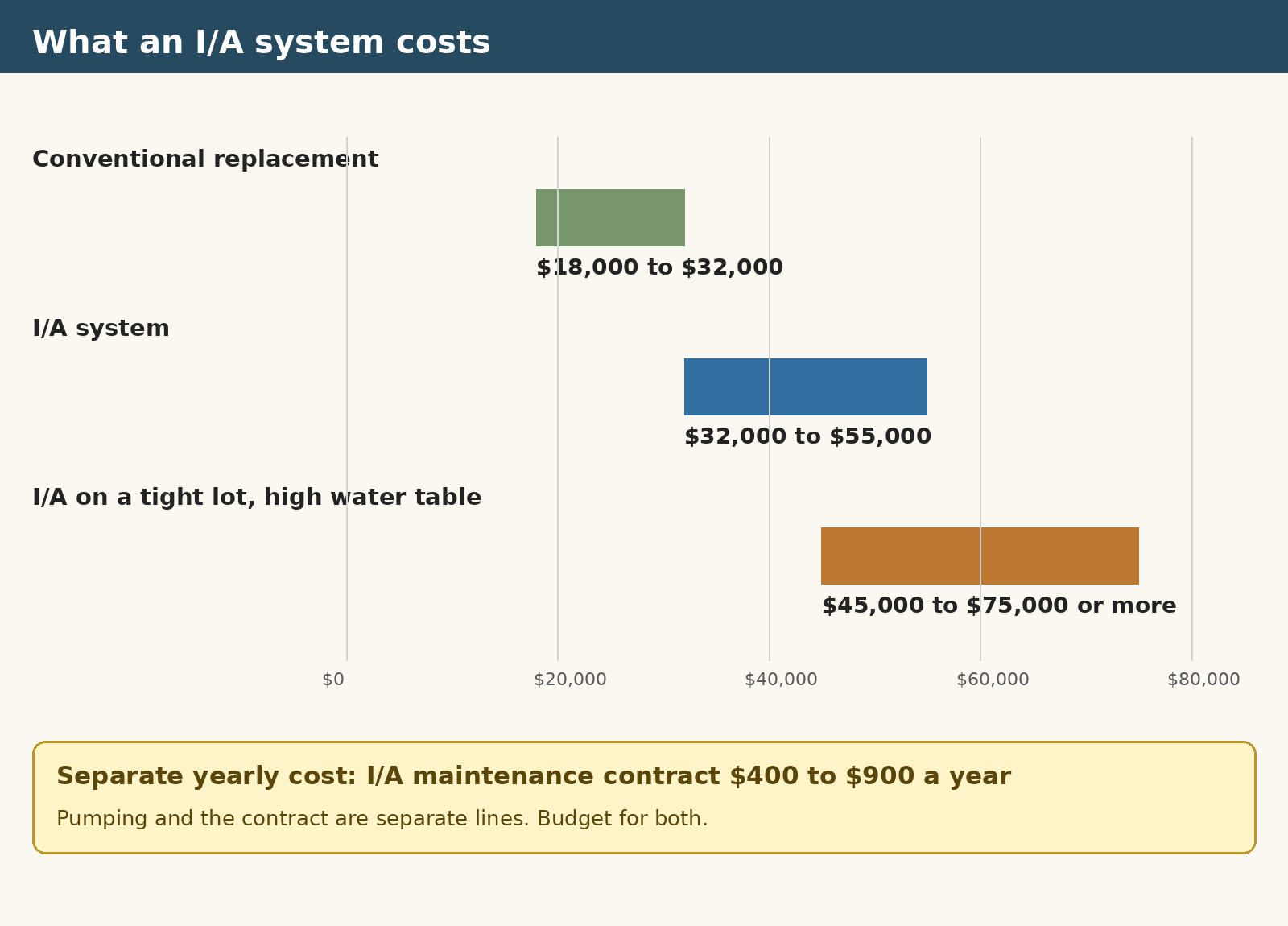
An I/A system at Barnstable Septic is $32,000 to $55,000. On tight lots and high water table sites, where design, excavation and setbacks get harder, it is $45,000 to $75,000 or more. By comparison a conventional septic system replacement is $18,000 to $32,000, or $25,000 to $40,000 on tight lots. The difference buys the nitrogen treatment and the service that goes with it.
The system also comes with a required maintenance contract. Ours runs $400 to $900 a year. The tank is pumped every 1 to 2 years, and pumping a 1,500-gallon tank is $375 to $575. If you need a Title 5 inspection first, it is $475 to $850, or $600 to $1,200 when booked together with pumping.
Help paying for it
These are programmes run by others, with their own terms.
- Cape Cod AquiFund. Barnstable County's betterment loan programme covers repair, replacement, I/A installation or sewer connection. It is repaid on your tax bill over up to 20 years and paid directly to the contractor. Septic work carries the 4 percent and 5 percent rates, with 5 percent where the property is, or is expected to be, listed for sale within 12 months. The 0 percent and 2 percent rates are for new sewer connections and are income-tiered. The County authorised a further $20 million for the programme in 2026.
- State septic tax credit. For a principal residence, 60 percent of the cost of repairing or replacing a failed cesspool or septic system, with costs capped at $30,000. The credit is up to $4,000 a year and $18,000 in total, from tax year 2023.
- MassHousing Septic Repair Loan. Up to $25,000 for owner-occupants of 1 to 4 family homes, with income limits.
Before and after
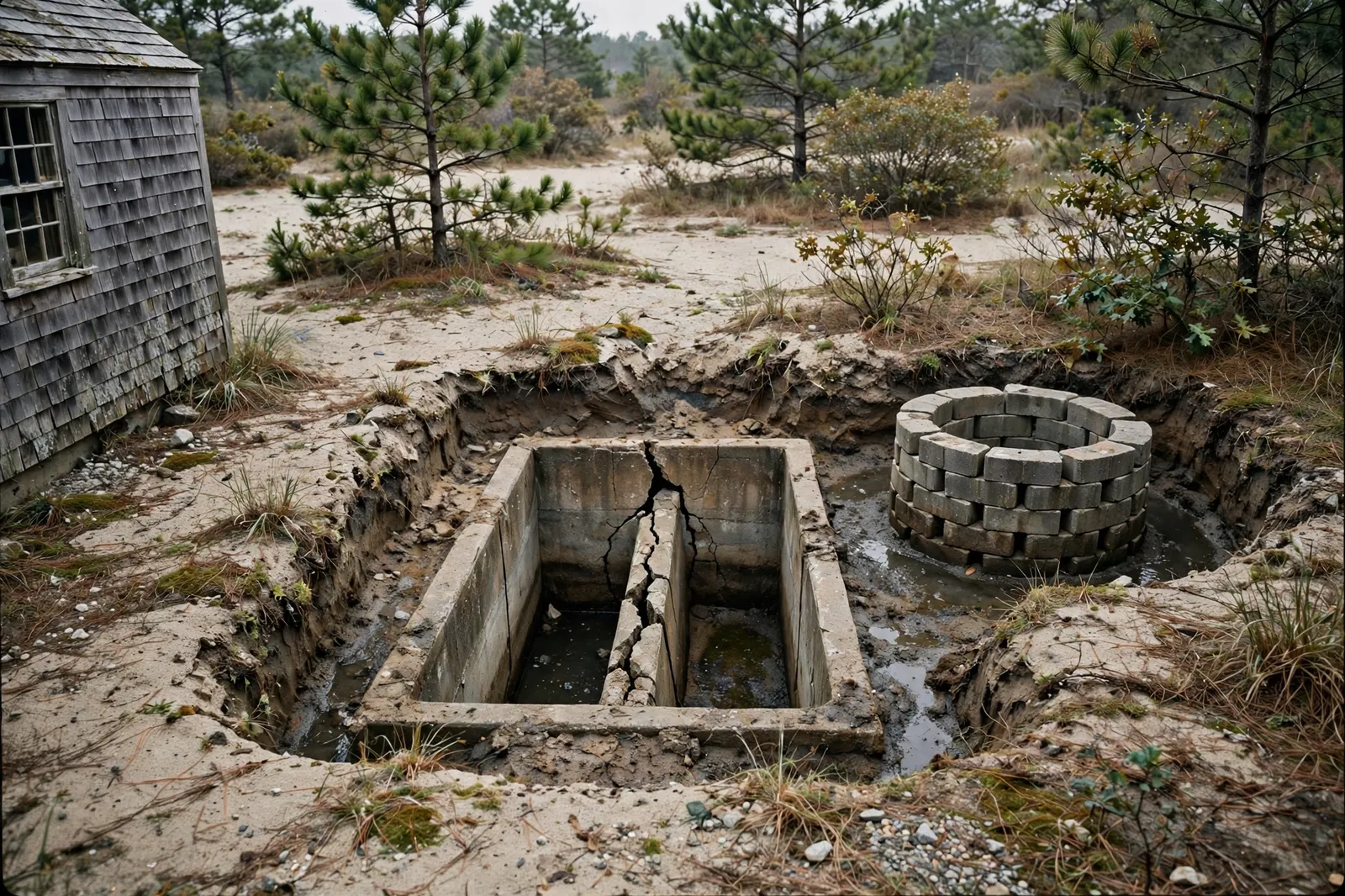
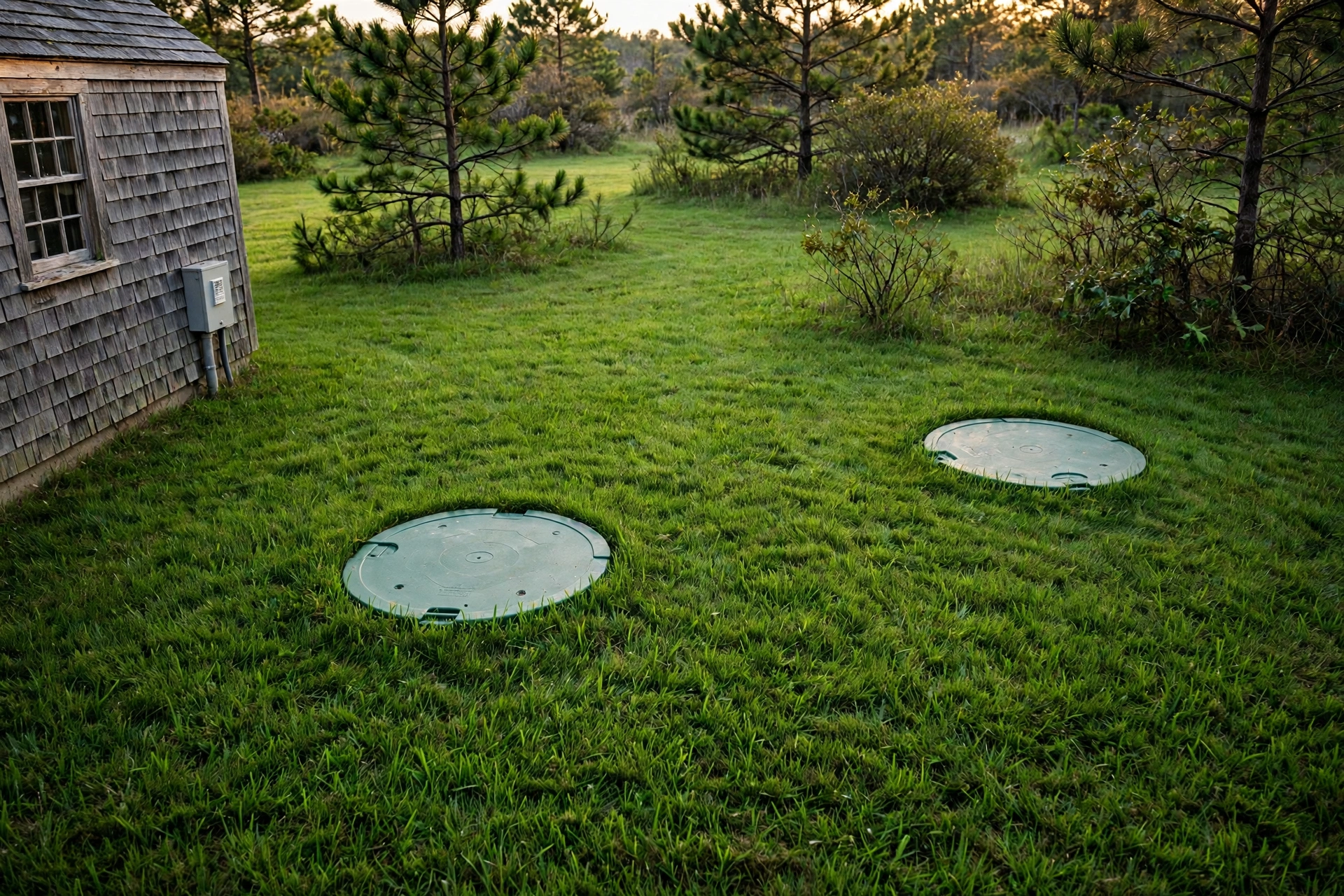
How an I/A installation goes
1. Site and soil evaluation.
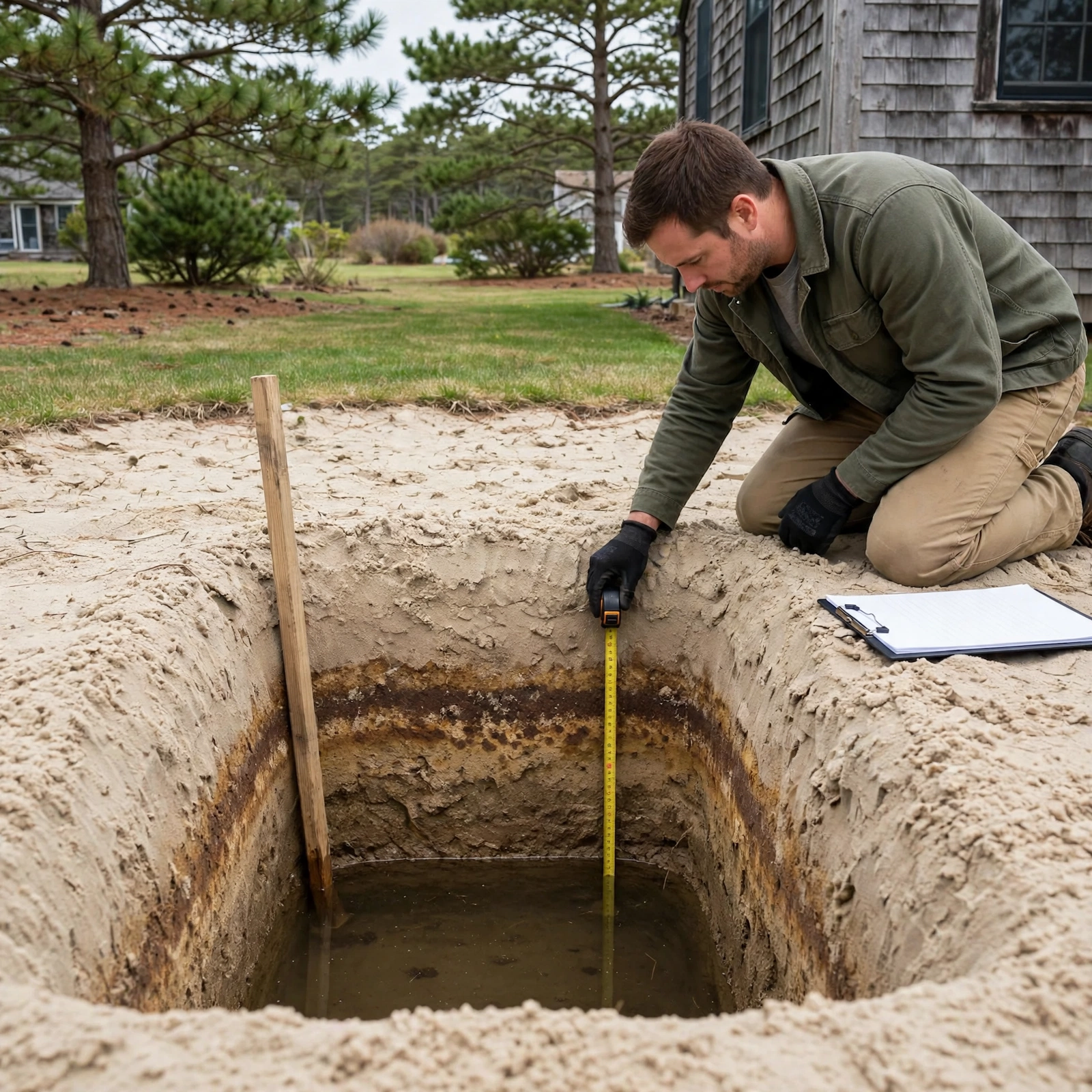
We look at the soil and percolation, the seasonal high groundwater, lot size, setbacks and truck and excavation access. The groundwater line often decides the price band: high water table sites sit in the upper range.
2. Design and permitting.
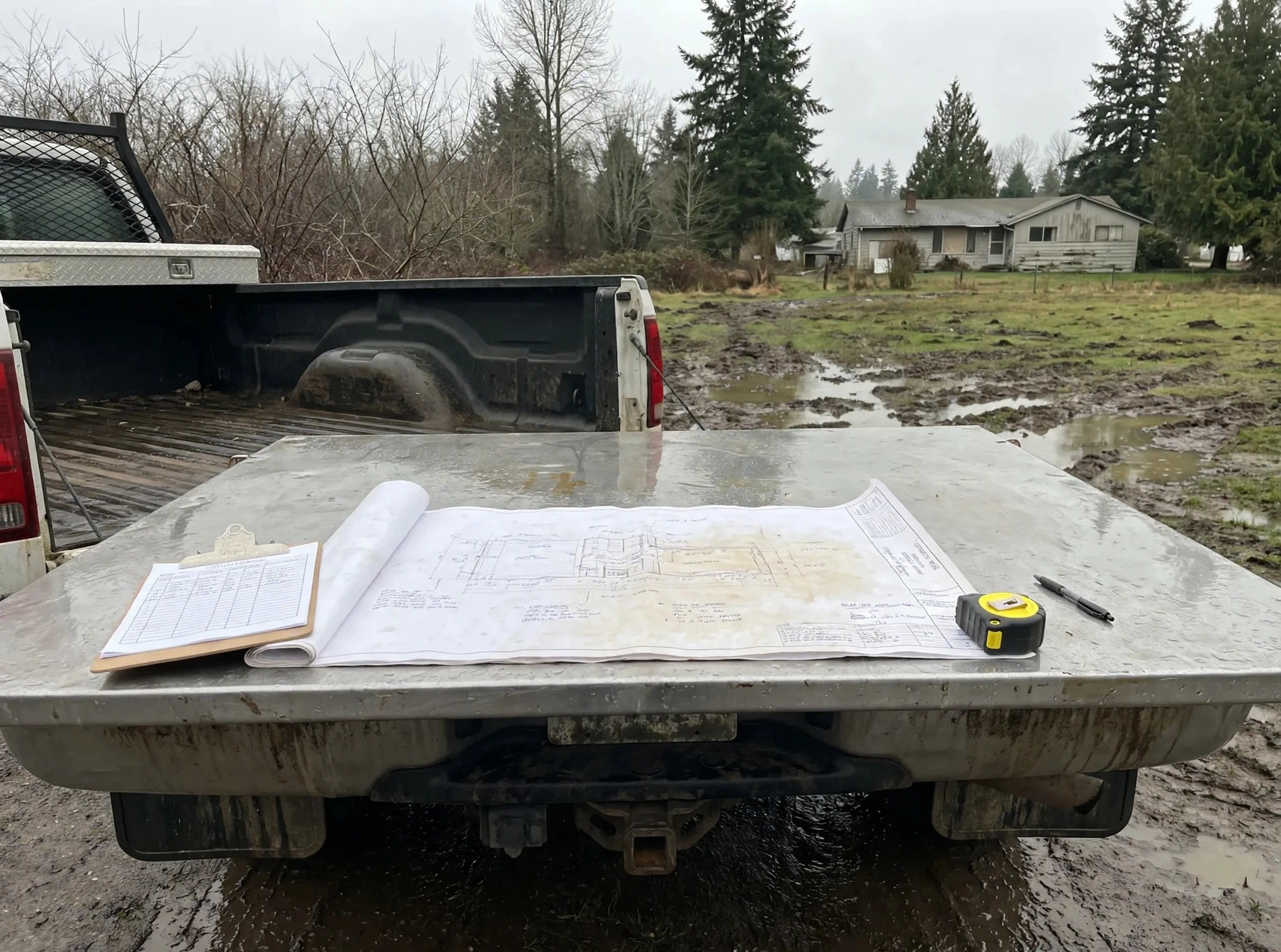
The design is sized to the house at 110 gallons a day per bedroom, 330 minimum, and filed with the Board of Health. Local articles and watershed status are checked here.
3. Excavation and tank setting.
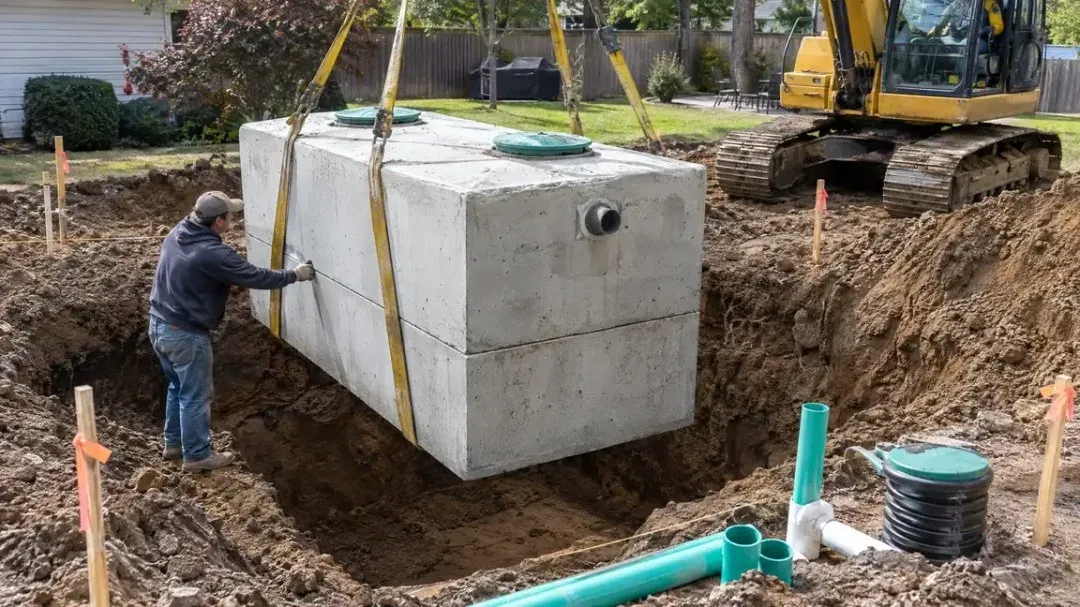
The old system is pumped and removed or filled in. New tanks are set level, on a prepared base, with risers to grade.
4. Treatment unit, controls and leach field.
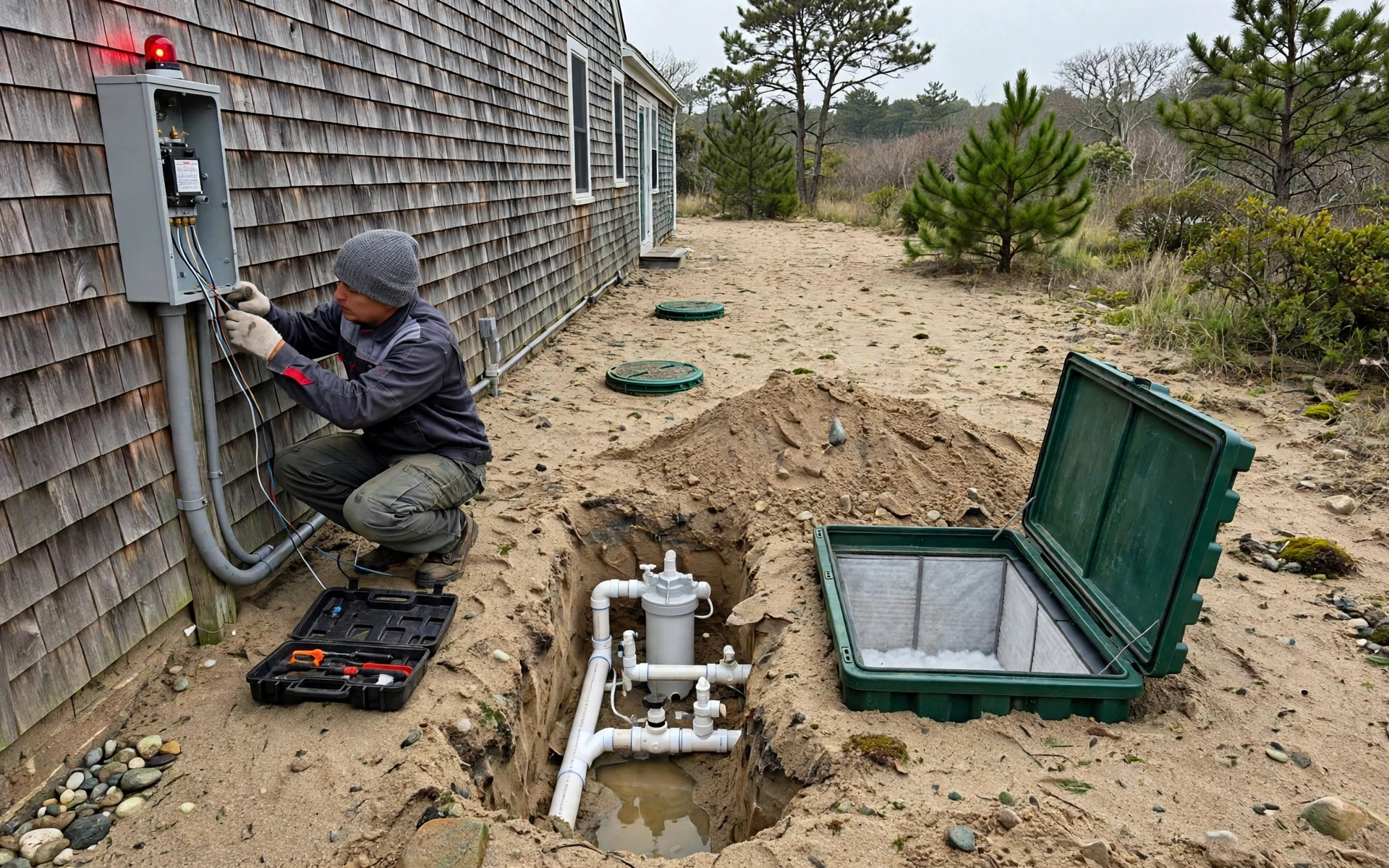
The nitrogen-reducing treatment unit goes in beside the tank, along with the pump chamber where the design needs one, the effluent filter, the control panel and the alarm. The distribution box and the soil absorption system follow.
5. Inspection, start-up and the service contract.
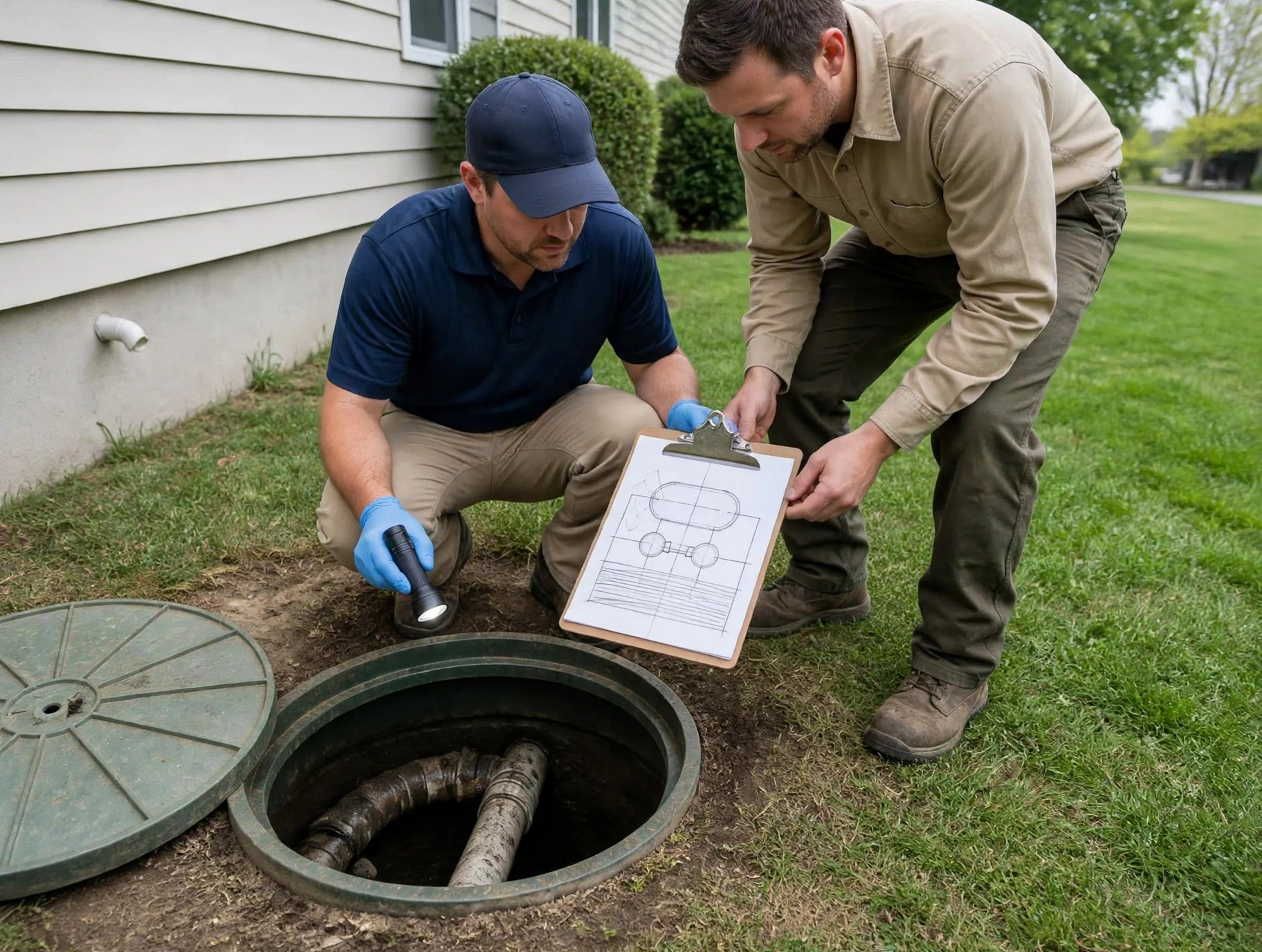
The system is inspected and started, and the as-built is recorded. The maintenance contract begins here.
How the ongoing service goes
An I/A system is a maintained machine. The contract is part of owning one, and the rules on I/A systems set how often it must be looked at. Under it the work runs in a regular order.
1. Visit and controls check.
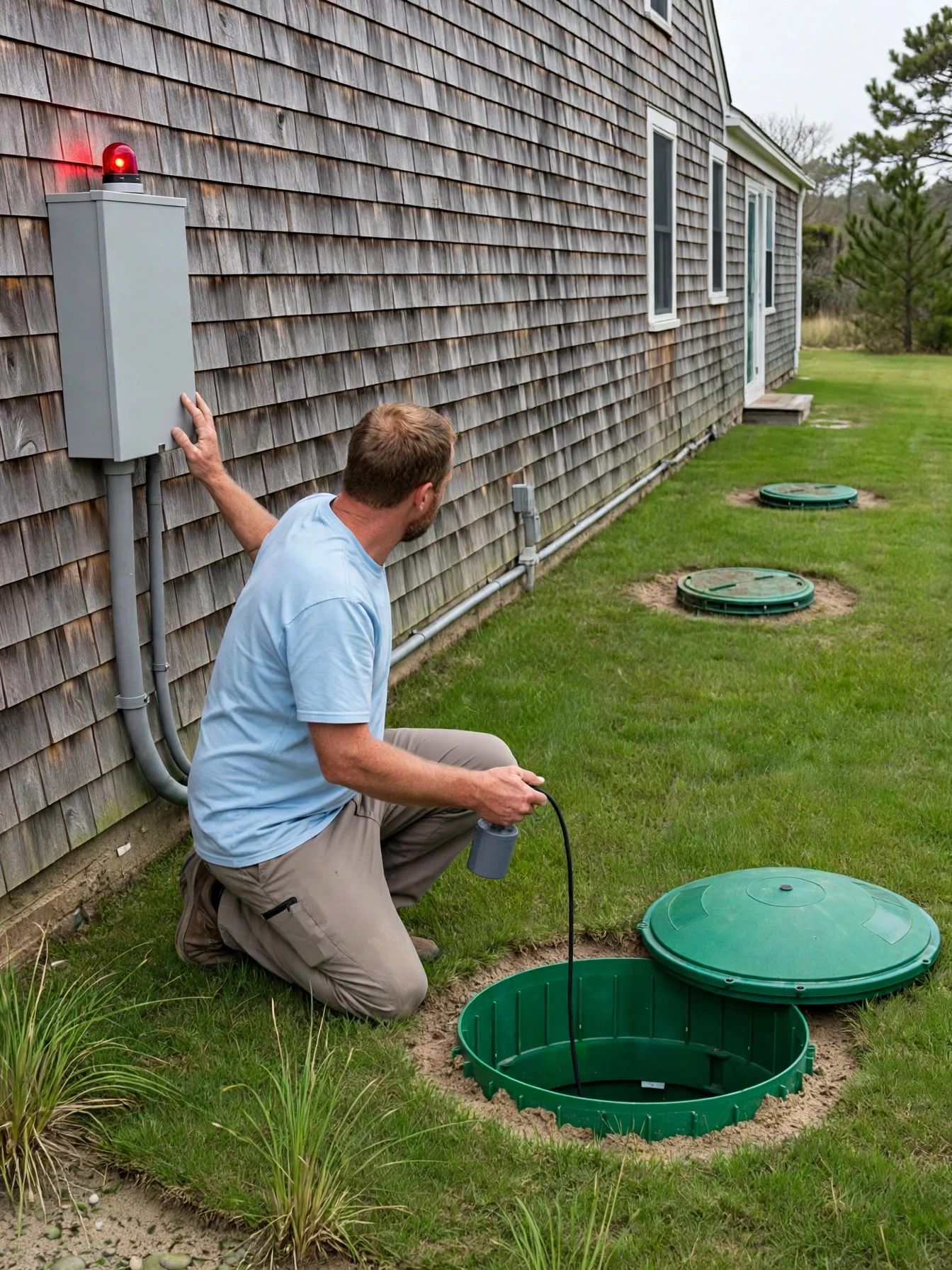
The technician checks the panel, alarm history and the working parts of the treatment unit.
2. Sampling.
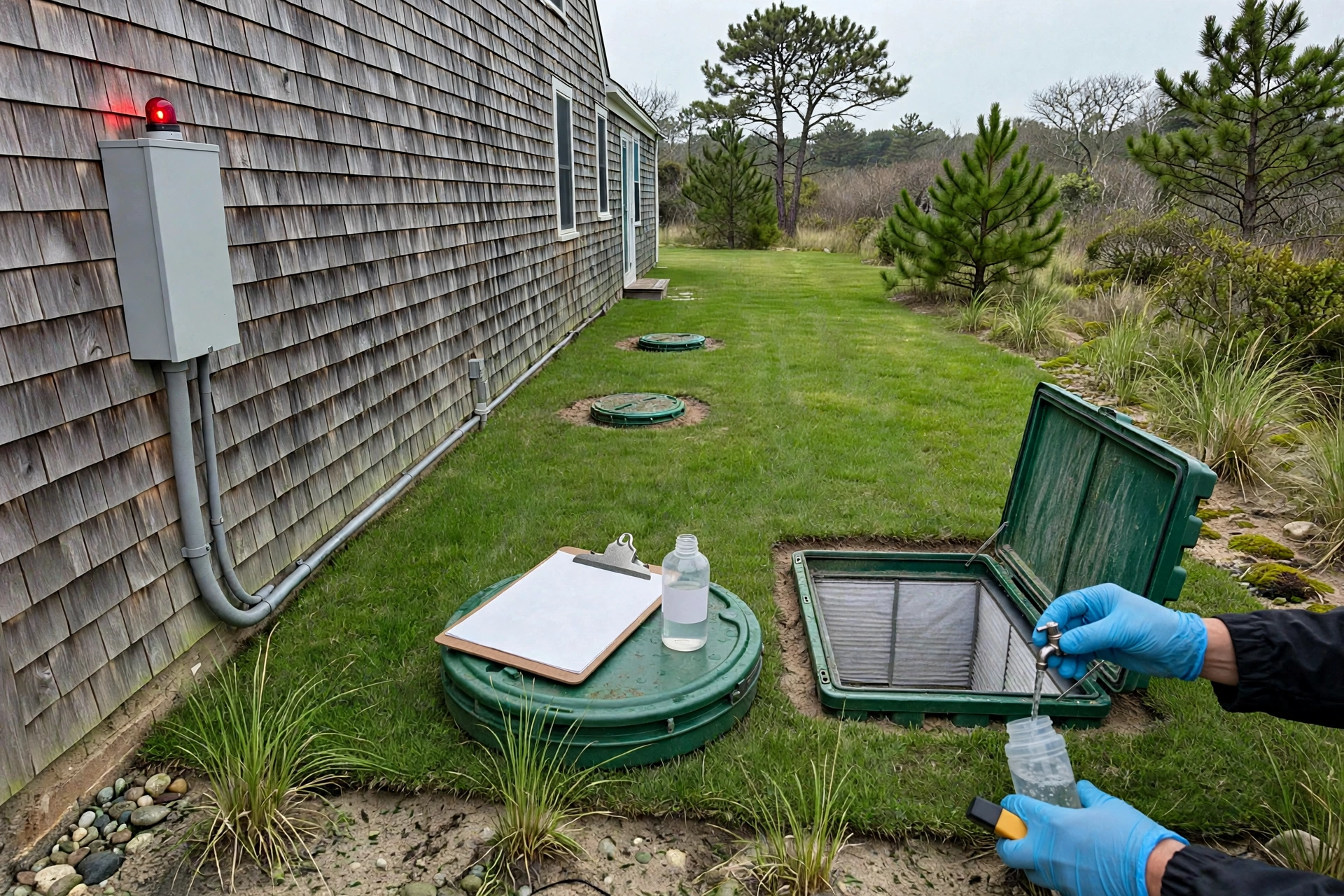
Samples are drawn as the system's approval and your Board of Health require, to show that the unit is treating as designed.
3. Pumping and filter cleaning.
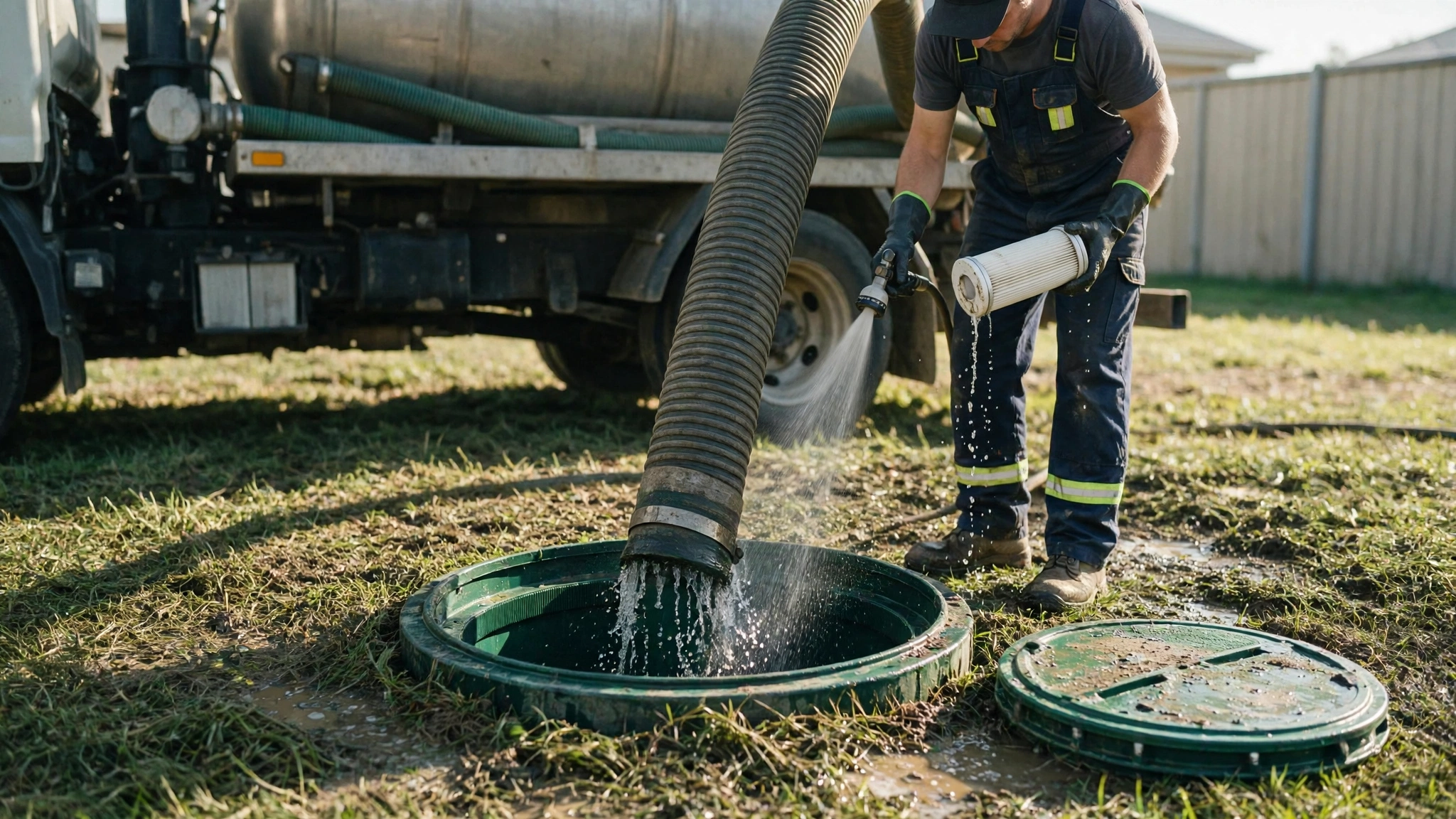
The tank is pumped on its 1 to 2 year schedule, and the effluent filter is cleaned. Pumping is more frequent than the once every 3 years MassDEP suggests for a conventional home without a garbage disposal.
4. Report and records.

You receive the visit record, and tank condition is reported to the Board of Health as the regulation requires within 14 days of pumping.
Where this meets Title 5 and cesspools
Title 5 inspections and I/A systems meet at the point of failure. A system fails, among other reasons, when sewage backs up, effluent surfaces, the distribution box liquid stands above the outlet, a tank is cracked, or any part sits below high groundwater. A fail means an upgrade within 2 years. A cesspool cannot be conditionally passed, and a cesspool replacement often leads to the same question: whether the system that replaces it has to cut nitrogen as well. Where full compliance is not feasible, the Board of Health may approve a Local Upgrade Approval for maximum feasible compliance.
Questions
What is an I/A system?
It is an innovative/alternative septic system. It treats wastewater in a tank and treatment unit and removes more nitrogen than a conventional tank and leach field does. It also has controls, an alarm and a required service schedule.
What does an I/A system cost?
At Barnstable Septic it is $32,000 to $55,000. On tight lots and high water table sites it is $45,000 to $75,000 or more.
What does the maintenance contract cost?
$400 to $900 a year. That covers the visits and sampling that keep the unit working. Pumping is separate and comes every 1 to 2 years. Pumping a 1,500-gallon tank is $375 to $575.
Do I have to install one now?
That depends on your parcel. New construction in a Nitrogen Sensitive Area must use Best Available Nitrogen Reducing Technology. For existing homes the timing follows the town's plan and phasing, and we state no single deadline for a Barnstable property. A failed Title 5 inspection starts a 2 year upgrade clock regardless.
How do I find out if my street is in a sewer phase?
Use the Town of Barnstable's water resources pages, which carry the CWMP and a Homeowner's Sewer Connection Guide. Phase 1 runs 2021 to 2030 and includes areas such as Route 28 West, Long Beach Road, Phinney's Lane, Prince Cove, Huckins Neck, Old Yarmouth Road and Centerville Village. If your street is not named, call us and we will look at it with you.
If sewer is coming, should I wait?
Not if your system has failed. A failed system carries its own upgrade deadline, and where a sewer abuts your way the Board of Health can require connection within 6 months of its letter, or 60 days if the system has hydraulically failed. The one-time assessment is capped at $10,000 per sewer unit, and the average residential sewer bill is about $490 a year.
My Title 5 inspection failed. What now?
The system generally has to be upgraded within 2 years, sooner for an imminent hazard. The owner carries that duty even if the sale falls through. A Title 5 inspection is $475 to $850, or $600 to $1,200 booked together with pumping.
Is there help paying for it?
Yes. The Cape Cod AquiFund repays on your tax bill over up to 20 years. The state tax credit covers 60 percent of a failed system's cost for a principal residence, with limits. The MassHousing Septic Repair Loan goes up to $25,000 with income limits. Each has its own terms and applies to its own situations.
Can I replace a cesspool with an I/A system?
Yes. A cesspool must be upgraded when it shows hydraulic failure, sits extremely close to a water supply, or fails to protect health and the environment. It must always be upgraded before any increase in design flow. Whether the replacement must be nitrogen-reducing depends on your lot and watershed.
Can I add a bedroom?
Title 5 sizes a home at 110 gallons a day per bedroom, 330 minimum, and flow may not be raised beyond the approved design until the system is upgraded. An added bedroom needs a building permit, which is also a Title 5 inspection trigger.
What if the alarm sounds?
Do not ignore it. Call (774) 619-8331, Monday to Friday, 9:00 AM to 5:30 PM, and tell us what the panel shows. Until the cause is found, cut back on water use.
Does an I/A system affect selling my house?
A system must be inspected within 2 years before a property transfer, and an I/A system is no exception. Dated service and pumping records help the inspector, and the seller gives the buyer a copy of the report.
Ready to find out what your property needs? Call (774) 619-8331, Monday to Friday, 9:00 AM to 5:30 PM, or send the form on this page. We need only your name and phone number. The more details you give, the better we are able to help you.