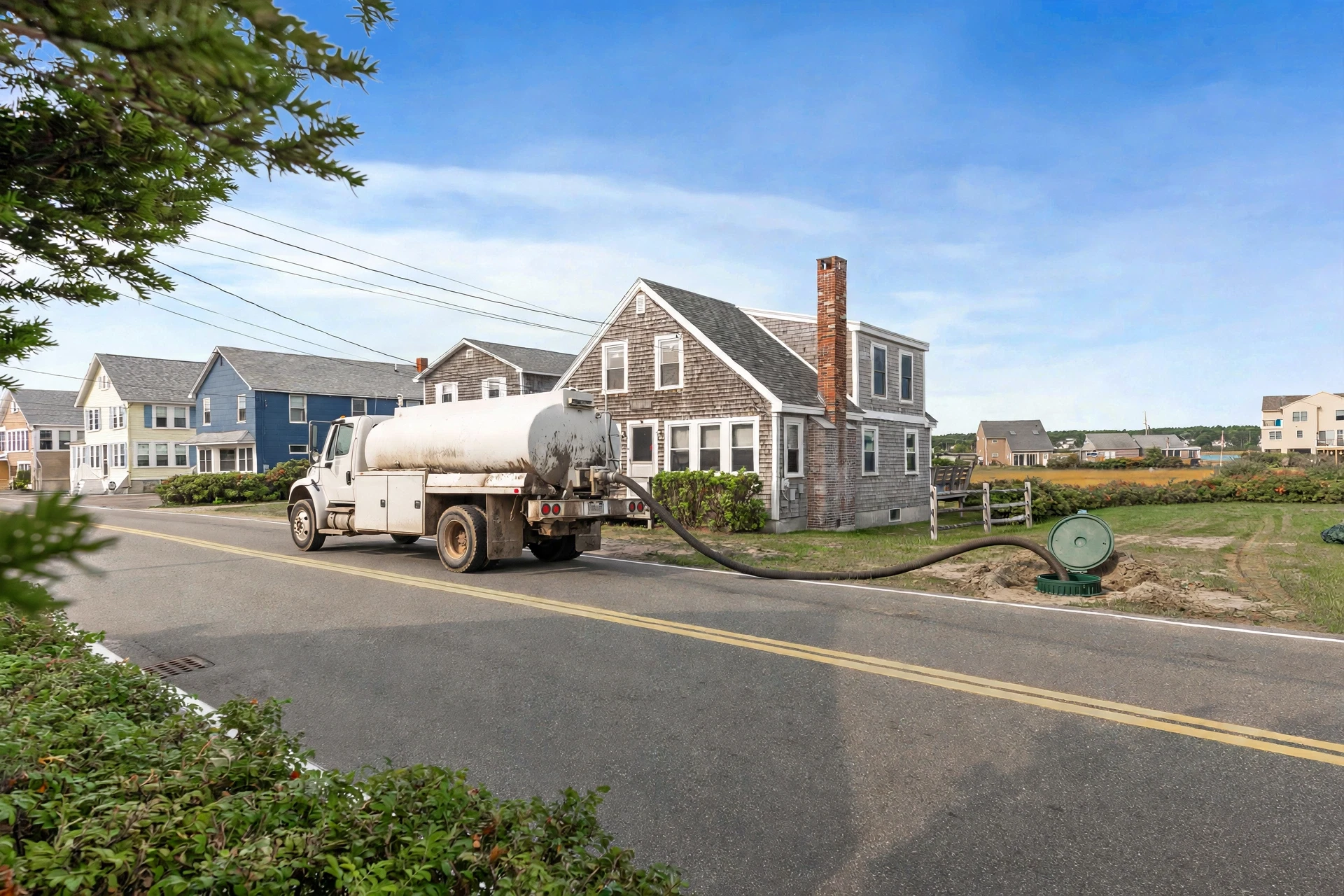
Barnstable Septic works out of Hyannis, in the Town of Barnstable, and the three towns we cover on the Mid-Cape do not share one septic problem. A Dennis homeowner with a closing date wants Title 5 inspections explained and scheduled. A Yarmouth homeowner wants septic pumping on a rhythm that suits a house that fills up in July. A Barnstable homeowner is usually asking whether the old system will last, and what septic system replacement involves if it will not.
Under those three questions sit the same few jobs. Nitrogen-reducing I/A systems go in where the watershed rules call for them. Cesspool replacement follows when an inspection turns an old pit up. Ordinary septic maintenance fills the years between. The three towns run differently, and which of those jobs is yours depends on where your house stands.
If you already know what you need, call (774) 619-8331 or use the short form at the bottom of this page. Name and phone number are all we require.
Barnstable: the base town, and the question of what comes after the old system
Roughly 90% of Barnstable residences are on septic, about 25,000 properties, and sewer reaches only parts of town. The town chose to seek a single Watershed Permit covering all seven of its watersheds, and it was the first Cape community to apply, on September 1, 2023. The permit moved through MassDEP's administrative and technical review to a draft, and public comment closed in August 2025. The town's December 2025 annual report still showed it waiting on MassDEP's next steps. Because the permit's final status is not something we can confirm from here, we do not give any Barnstable owner a single deadline. What applies to your lot follows the town's plan and its phasing.
That plan is a state-approved 30-year program in three ten-year phases. Phase 1 runs 2021 to 2030 and sewers about 4,700 properties, out of roughly 12,000 across the whole plan. Named Phase 1 areas include Route 28 West, Long Beach Road, Phinney's Lane, Prince Cove, Huckins Neck, the Long Pond area, Old Yarmouth Road and Centerville Village, along with the nitrogen upgrades at the Hyannis water pollution control facility. If your street is in one of those, you may be connecting to sewer. If it is not, your system has to keep working for years, and the question becomes when it stops.

When a letter does arrive, the one-time assessment is capped at $10,000 per sewer unit, and the average residential sewer bill runs about $490 a year. When no letter is coming, the choice is between a conventional system and a nitrogen-reducing one. A conventional septic system replacement runs $18,000 to $32,000, or $25,000 to $40,000 on a tight lot. A nitrogen-reducing I/A system runs $32,000 to $55,000, and $45,000 to $75,000 or more where the lot is tight and the water table high. The I/A system also carries a maintenance contract of $400 to $900 a year. In a nitrogen-sensitive area, new construction must use an I/A system outright.
Our fit here is replacement and I/A upgrades. Read how we do the work on the Septic Installation & Replacement and I/A Nitrogen-Reducing Systems pages.
Yarmouth: no sewer at all, so the care is the whole story
Every property in Yarmouth is on an on-site system. The town has no municipal sewer, and none is coming to take the load off. That changes what a good septic company does there. In most places pumping is a chore you can postpone. In Yarmouth it is the plan.
The seasonal population doubles or triples in summer, and the Route 28 corridor packs rentals, motels and small commercial properties into a narrow strip. Their systems sit nearly idle through the cold months and then take full load from June to September. A tank that was fine in April can be in trouble by August, and a tank that was never pumped before the season may show it first as a slow drain, then as a wet patch over the leach field.
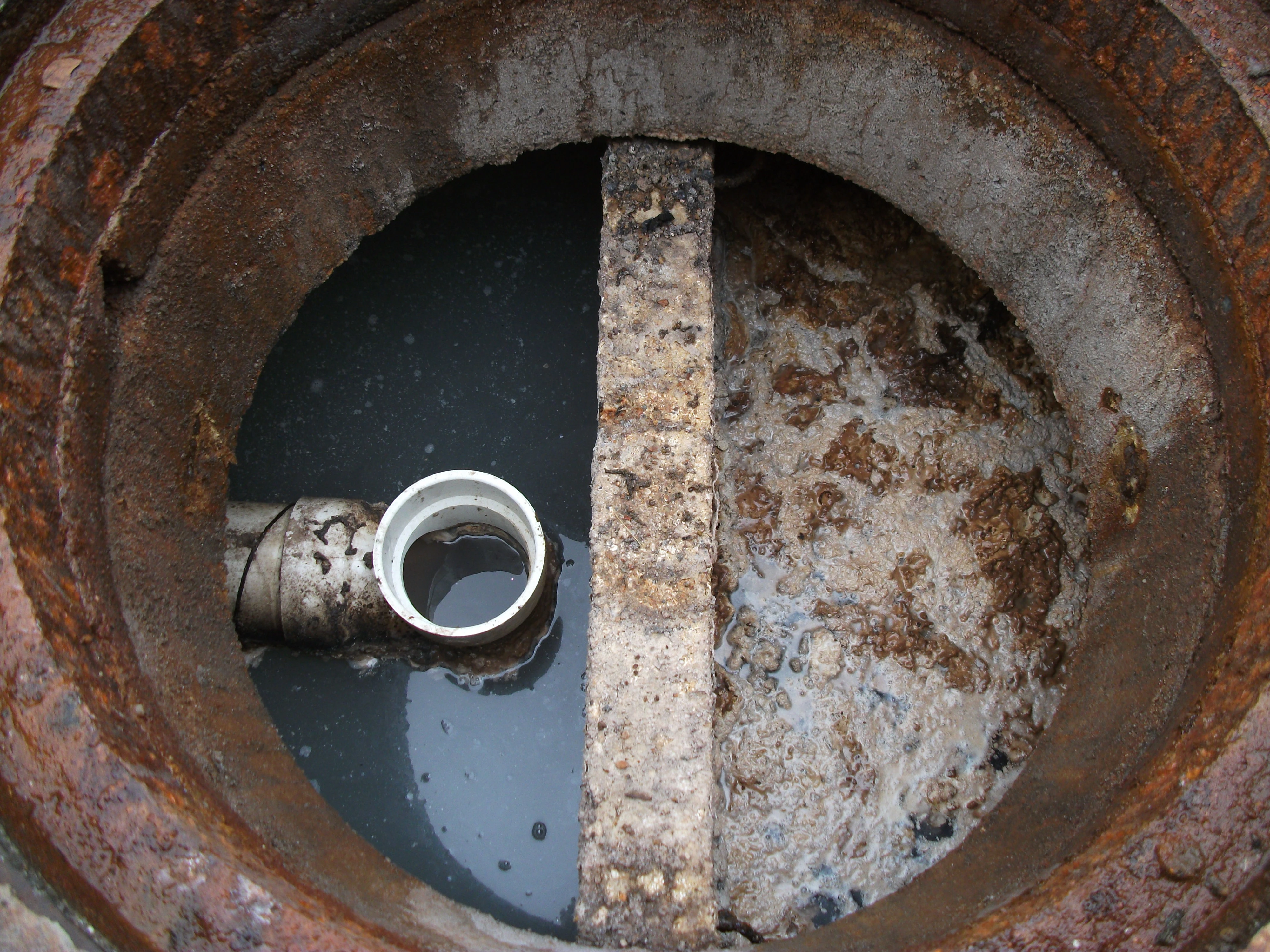
MassDEP's guidance is pumping at least once every 3 years for a home without a garbage disposal, and every year with one. A system that needs pumping more than four times a year fails under Title 5. Septic pumping for a 1,500-gallon tank is $375 to $575. If the pumper finds an uneven distribution box, repair is $500 to $1,500, and it is far cheaper to find it at a routine visit than after the field has failed. Seasonal care here also means timing: a pump-out and a look at the baffles before the season opens, and again when the guests have gone.
Our fit in Yarmouth is pumping and seasonal system care. The full account is on the Yarmouth page, and the service itself is on Septic Pumping & Maintenance.
Not sure which town's pattern your house follows? Tell us the address's town, the number of bedrooms and what prompted you to look. Call (774) 619-8331 or fill in the short form at the bottom of this page, and we will say where to begin.
Dennis: a second-home town, where the inspection is the event
About half of Dennis's housing units are seasonal or second homes, against 36% across the region. About 77% of homes are single-family, and the summer population passes 60,000 against 14,906 who live there year-round. In a market like that, properties change hands constantly, and every transfer brings the same event: the Title 5 inspection.
The rule is that the system must be inspected within 2 years before the transfer. If weather prevents it at the time of sale, it can be done within 6 months after, with written notice to the buyer. One inspection can cover more than one transfer inside the window, and it stays valid 3 years if the system is pumped at least once a year afterward, with records. Only MassDEP-approved System Inspectors may do the work, and the report goes to the local Board of Health within 30 days, with a copy to the buyer from the seller.
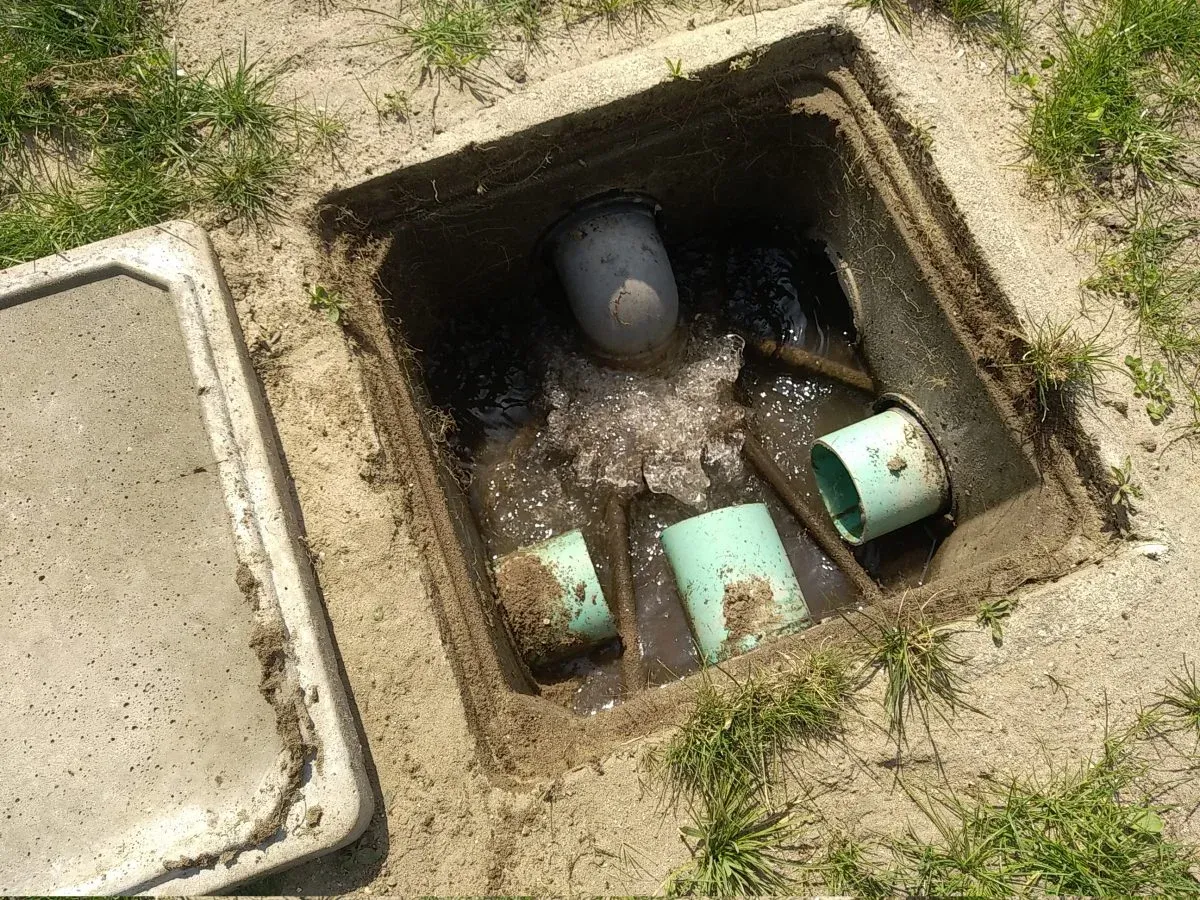
A Title 5 inspection is $475 to $850, or $600 to $1,200 when it is booked together with pumping, which the inspector needs anyway to see the tank properly. A pass or conditional pass lets the sale go on. A fail means an upgrade within 2 years, and the duty stays with the owner even if the sale falls through. Older seasonal cottages are where cesspools usually surface, since they have been banned for new construction since 1995. A cesspool or soil absorption system cannot be conditionally passed, so a failed one points to cesspool replacement, which usually means a conventional system at $18,000 to $32,000, or a nitrogen-reducing system where the site calls for it.
Our fit in Dennis is the Title 5 inspection at transfer. Details are on the Dennis page, and the service is explained on Title 5 Inspections.
Questions
Which towns do you serve?
Barnstable, Yarmouth and Dennis. Barnstable Septic is based in Hyannis, and we work only in those three Mid-Cape towns.
Is Yarmouth connected to a municipal sewer?
No. Every property in Yarmouth is on an on-site system, which is why regular septic pumping and seasonal care matter there so much.
Will my Barnstable home be connected to sewer?
That depends on where your property sits in the town's plan. Phase 1, running 2021 to 2030, covers about 4,700 of roughly 12,000 properties across the whole plan. Check your parcel against the town's plan and phasing, and if you receive a Board of Health letter, you have 6 months to connect, or 60 days if your system has hydraulically failed.
Does Barnstable require a nitrogen-reducing system?
In a nitrogen-sensitive area, new construction must use one. The Board of Health may also require one for development at 1,650 gallons a day or more. For an existing home, what applies follows the town's plan and its watershed permit, so we do not name a single date for any property.
What does a Title 5 inspection cost?
$475 to $850. Booked together with pumping, it is $600 to $1,200.
What does septic pumping cost?
For a 1,500-gallon tank, $375 to $575.
What does a replacement system cost?
A conventional system is $18,000 to $32,000, or $25,000 to $40,000 on a tight lot. A nitrogen-reducing I/A system is $32,000 to $55,000, or $45,000 to $75,000 or more on a tight lot with a high water table. The I/A maintenance contract is $400 to $900 a year.
How long is a Title 5 inspection good for when I am selling?
A system must be inspected within 2 years before the transfer. If the system is pumped at least once a year after the inspection, with records, the inspection stays valid 3 years.
How often should I pump my tank?
MassDEP's guidance is at least every 3 years for a home without a garbage disposal and every year for one with a disposal. A system that needs pumping more than four times a year fails under Title 5.
We just found out we have a cesspool. Do we have to replace it right away?
Not automatically. A cesspool must be upgraded when it shows hydraulic failure, sits extremely close to a water supply, or fails to protect health and the environment, and always before any increase in design flow. At a sale it cannot be conditionally passed if it fails inspection.
Is there help paying for a new system?
Yes. The Cape Cod AquiFund offers betterment loans repaid on the tax bill over up to 20 years, paid directly to the contractor, at 4% for septic work, or 5% where the property is or is expected to be listed within 12 months. The state tax credit covers 60% of the cost of repairing or replacing a failed system on a principal residence, with costs capped at $30,000, up to $4,000 per year and $18,000 in total. MassHousing's Septic Repair Loan goes up to $25,000 for owner-occupants of 1 to 4 family homes, with income limits.
What are your hours?
Monday to Friday, 9:00 AM to 5:30 PM. Call (774) 619-8331.
Tell us what is happening at your property and in which of the three towns. Name and phone number are required. Everything else is optional. The more details you give, the better we are able to help you. Or call (774) 619-8331, Monday to Friday, 9:00 AM to 5:30 PM.